BY:
SHARE:
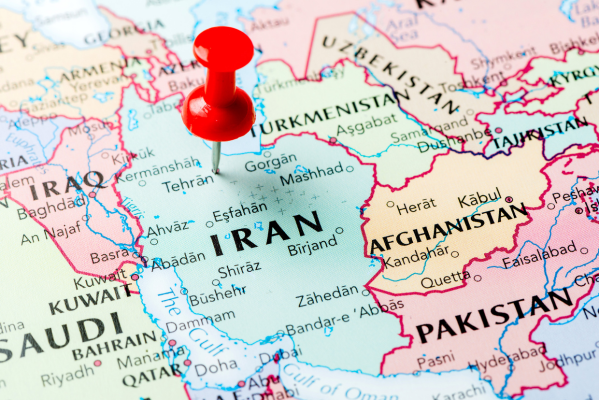
Notice 2946 has been published, informing importers of an update to the Iran Sanctions regulations. The notice provides an overview of the import prohibitions in force on goods imported into the UK and Northern Ireland where the goods either originate in or are consigned from Iran.
The notice also clarifies the licensing process for traders considering importing goods that are subject to the published prohibitions.
Traders are strongly advised to read the statutory guidance and note that where there may be conflict in the guidance published by the FCDO, the statutory guidance will prevail.
Guidance is not regulatory.
Background
The Iran (Sanctions) (Nuclear) (EU Exit) Regulations 2019 came into force on 1 January 2021, replacing existing EU legislation post-EU Exit, effecting updates in the corresponding prohibitions in the Open General Import Licence (OGIL) and related UK regulations.
Technical Clarity:
The Regulations impose financial, trade and immigration sanctions for the purpose of:
- giving effect to the United Kingdom’s obligations under United Nations Security Council Resolution 2231 (2015) (‘UNSCR 2231’)
- the additional statutory purposes set out in the Regulations
This sanctions regime is aimed at:
- encouraging the Iranian Government to comply with relevant UN obligations and abandon nuclear weapons programmes
- restricting the ability of Iran to develop nuclear weapons delivery systems
Import Prohibitions – The Detail
The import prohibitions specified in the Iran (Sanctions)(Nuclear)(EU Exit) Regulations 2019, are presented as follows:
Regulations 28 to 31C
Regulations 28 to 31 prohibit the import, supply and delivery, acquisition and transfer of certain goods and technology. These cover goods that are consigned from, are located in, or originate in Iran, as applicable under the relevant regulation
Regulations 31A to 31C prohibit the provision of technical assistance, financial services and funds and brokering services relating to the import, supply and delivery, acquisition and transfer of certain goods and technology.
Regulations 31D to 31I
Regulations 31D to 31F prohibit the import, acquisition, supply and delivery of gold, precious metals, and diamonds. These cover goods consigned from, located in, or originating in Iran, as applicable under the relevant regulation.
Regulations 31G to 31I prohibit the provision of technical assistance, financial services and funds and brokering services relating to the import, acquisition, and supply and delivery of gold, precious metals, and diamonds.
Regulation 31J to 31O
Regulations 31J to 31L prohibit the import, acquisition, and supply and delivery of oil and petroleum products. These cover goods consigned from, located in, or originating in Iran, as applicable under the relevant regulation.
Regulations 31M to 31O prohibit the provision of technical assistance, financial services and funds and brokering services relating to the import, acquisition, and supply and delivery of oil and petroleum products.
Regulation 31P to 31U
Regulations 31P to 31R prohibit the import, acquisition, supply and delivery of petrochemicals. These cover goods that are consigned from, are located in, or originate in Iran, as applicable under the relevant regulation.
Regulations 31S to 31U prohibit the provision of technical assistance, financial services and funds and brokering services relating to the import, acquisition, and supply and delivery of petrochemicals.
Regulation 31V to 31Z1
Regulations 31V to 31X prohibit the import, acquisition and supply and delivery of natural gas. These cover goods that are consigned from, are located or originate in Iran, as applicable under the relevant regulation.
Regulations 31Y to 31Z1 prohibit the provision of technical assistance, financial services and funds and brokering services relating to the import, acquisition, and supply and delivery of natural gas.
Exceptions and Licences
Part 6 of the regulation sets out exceptions to the import prohibitions which can apply in certain clearly defined circumstances where conditions are considered an emergency under those specific circumstances.
Note: An exception applies automatically and does not require a licence to be issued in accordance with the Regulations. Keep records as evidence of compliance at audit.
A link to Part 6 of the regulation can be found here: The Iran (Sanctions) (Nuclear) (EU Exit) Regulations 2019
Exceptions are listed below:
Regulation 37B
Regulation 37B provides an exception to the prohibitions listed above under emergency conditions relating to gold, precious metals and diamonds, oil and petroleum products, petrochemicals, and natural gas.
The exception applies to any act by a person who provides the Secretary of State with justification within the relevant period that the act relates to an emergency.
Regulation 37E
Regulation 37E provides an exception to the prohibitions on the import, acquisition, supply, and delivery of oil and petroleum products, petrochemicals, and natural gas, and the related prohibitions on technical assistance, financial services and funds, and brokering services.
The exception applies to any relevant activity necessary for the official purposes of a diplomatic mission or consular post in Iran, or an international organisation enjoying immunities under international law.
Regulation 37F
Regulation 37F(1) provides an exception to the prohibitions on the acquisition of gold, precious metals and diamonds, oil and petroleum products, petrochemicals, and natural gas, and related prohibitions on technical assistance, financial services and funds, and brokering services.
This exception applies where goods have been lawfully imported into the United Kingdom or the Isle of Man and are located there.
Regulation 37F(2) provides an exception to the prohibitions on the acquisition of oil and petroleum products and petrochemicals, and related prohibitions on technical assistance, financial services and funds, and brokering services.
This exception applies where a United Kingdom national located in Iran engages in these activities in relation to goods located in Iran and for the personal use of that United Kingdom national or their immediate family members.
Regulation 38
The prohibitions mentioned above do not apply if the act is one which a “responsible officer” (for example, a government or agency official) has determined would be in the interests of national security, or the prevention or detection of serious crime in the United Kingdom or elsewhere.
Trade Sanctions Licences
Definition: A licence is a written authorisation that permits an otherwise prohibited activity.
Guidance on the types of trade sanctions licences and how to apply for them can be found at the link below: Guidance on how to apply for a trade sanctions licence
Responsibility and Due Diligence
The trader is responsible for carrying out appropriate due diligence to determine any relevant controls or actions needed to remain within the law. This includes applying for licences and making the appropriate licence declaration at import.
The official line is to seek legal advice if you are unclear about trading obligations or responsibilities when importing from Iran.
Applying for Import Licences
The Import Controls and Sanctions Team within the Department for Business Innovation, Science and Trade administers trade and licensing provisions on behalf of the Secretary of State.
Licence applications are weighed against the UK regulations and must be consistent with UK international sanctions obligations
For traders intending to import prohibited goods, and where an exception does not apply, an application should be made through the following link: Apply for an import licence.
Applications require an account through the GOV.UK One Login
How to apply for a licence after creating an account:
- Submit an importer access request
- Under ‘What are you importing and where are you importing it from?’, indicate that you wish to apply for a Sanctions and ad hoc Licence
- Include your 12-digit EORI number with the relevant commodity codes associated with the import.
Note: An approved licence must be added to the import declaration, and the licence authorisation will relate directly to the commodity codes given on both the licence and the declaration.
Applications are considered on a case-by-case basis. Detail will be key.
Top Tips
Check whether the proposed trade activity falls within a specific published activity and make provision in the application to clarify why you consider a licence may be necessary.
For advice on a specific import, email the import sanctions team at importsanctions@businessandtrade.gov.uk, including details of the proposed import.
Northern Ireland Licensing
Any import licence granted relating to Northern Ireland will be consistent with any EU sanctions regulation as they apply through the Windsor Framework agreement.
Licences are not required for imports or exports of non-military goods covered by sanctions between Northern Ireland and EU Member States.
Licences will be required from an EU Member State to move items to or from the sanctioned country.
You must comply with any other licensing requirements under UK import or export control legislation, as applicable.
Import of Oil and Petroleum Products - Further detail
Bunkering
Vessels entering UK ports are not required to verify the origin of the bunker fuel, provided the bunker fuel is required for the operation of the vessel pursuing the voyage.
Similarly, aircraft operating a flight between a third country and the UK are not required to verify the origin of the fuel transported in its fuel tank(s), provided the fuel is used only for the flight of the aircraft.
Tank Heels
When a container has previously been used to transport or store Iranian oil or petroleum products, an unpumpable quantity of substance, ‘tank heel’, may remain at the base of the container and cannot be removed without causing damage to the container. If non-Iranian oil or petroleum products are added to the container, it will mix with the tank heel.
Products held in the tank, or products processed from such products, would not be prohibited from import into the UK under the Iran Regulations.
Co-mingling
Other than in relation to the situations set out in accompanying guidance on tank heels, the prohibitions apply to oil and petroleum products of Iranian origin co-mingled with oil or petroleum products of another origin.
Enforcement of trade sanctions
The Regulations and Penalties:
The Customs and Excise Management Act 1979 (CEMA) makes it a criminal offence to contravene the import sanctions.
Some breaches of the import sanctions are triable either way in law and carry a maximum sentence of 14 years’ indictment or a fine (or both).
Any breach of the trade licensing provisions or information requirements in connection with general trade licences is also triable either way in law and carries a maximum sentence on indictment of 2 years’ imprisonment or a fine (or both).
HM Revenue and Customs (HMRC) enforces the licensing restrictions and investigates suspected offences.
Any breach of any of the trade prohibitions or licensing provisions should be reported to HMRC through a Voluntary Disclosure as soon as possible after discovery.
A link to the regulations can be found below:
The Iran (Sanctions) (Nuclear) (EU Exit) Regulations 2019
A link to the Statutory Guidance can be found here: Iran nuclear sanctions: statutory guidance - GOV.UK
Enquiries
For enquiries and any further information on import sanctions, contact the Import Sanctions
Team: importsanctions@businessandtrade.gov.uk.
For information on export controls:
- contact the Export Control Joint Unit (ECJU) on 020 7215 4594
- Email exportcontrol.help@businessandtrade.gov.uk
- Exporters are recommended to subscribe to the ECJU’s notices to exporters
Direct trade sanctions queries to otsi@businessandtrade.gov.uk.
Focus On: Embargoes, Sanctions and End-Use Controls
This half-day session highlights the importance of understanding embargoes and sanctions, with a focus on UK regulations and the growing sanctions on Russia. It reviews current financial sanctions managed by OFSI and the serious consequences of non-compliance, including fines, reputational damage, and criminal charges. The course emphasises the need for exporters to comply with embargoes and sanctions.
OneCall™ Email assistance as and when required; A one-call solution for all your import, export and customs enquiries. Export help. Import help. Customs help.
Stay informed about customs and international trade matters by subscribing to our OneCall™ service. This comprehensive offering includes a dedicated email helpline for support, timely practical updates direct to your inbox (Did You Know?), monthly UK Customs & Trade Briefings and access to an interactive members' area with an exclusive community for our subscribers.
International Trade Updates & Spotlight Newsletter
Subscribe to our free information emails covering international trade topics...
MORE INDUSTRY INSIGHTS...