UK Guidance on importing live animals updated
BY:
Sandra Strong
15 June 2021
SHARE:
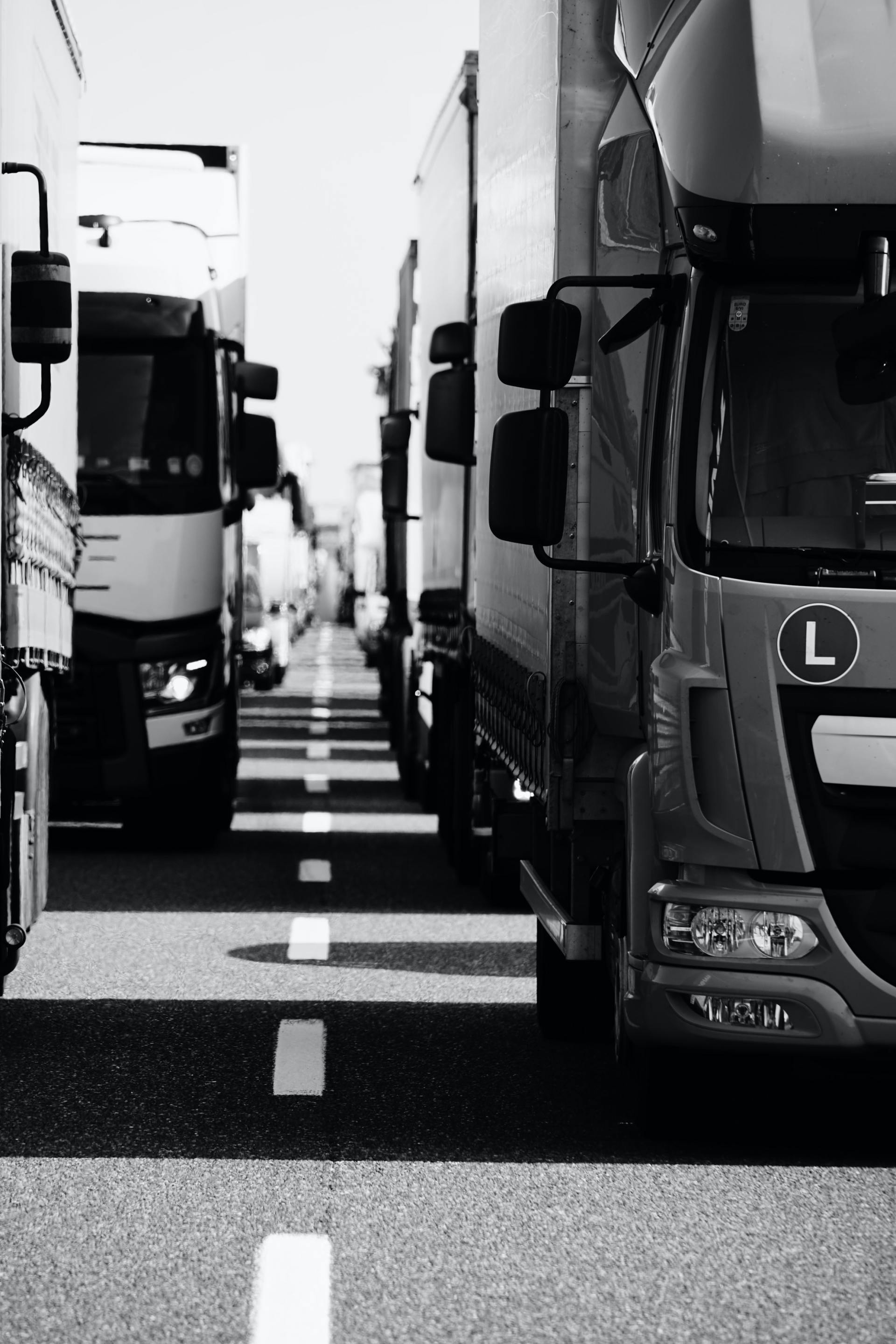
15 June 2021: The UK has updated its guidance on how to import or move live animals, including equines, animal products and high risk food or feed not of animal origin from the EU and Northern Ireland to Great Britain.
This guidance applies to businesses in Great Britain (England, Scotland and Wales) importing or moving the following goods from the EU and Northern Ireland:
• high risk food or feed not of animal origin (HRFNAO)
• animal by-products (ABP)
• live animals, including equines from Norway
• germinal products (semen, ova and embryos)
You need to follow different guidance if you’re importing:
Relevant Training courses
OneCall™ Email assistance as and when required; A one-call solution for all your import, export and customs enquiries. Export help. Import help. Customs help.
Stay informed about customs and international trade matters by subscribing to our OneCall™ service. This comprehensive offering includes a dedicated email helpline for support, timely practical updates direct to your inbox (Did You Know?), monthly UK Customs & Trade Briefings and access to an interactive members' area with an exclusive community for our subscribers.
International Trade Updates & Spotlight Newsletter
Subscribe to our free information emails covering international trade topics...
MORE INDUSTRY INSIGHTS...

During this period, please note that any pre-lodged declarations that will be affected by the changes should be changed/amended prior to the goods arriving. If customs declarations are not corrected prior to arrival, they will be rejected.

Following the CDS update on 26 September 2026 (version 5.3.0), the Customs Declaration Service (CDS) will be unavailable during scheduled maintenance.

Document code 9Y16 is used by importers to claim a contractual waiver. From 30 September 2026, this code will cease to be valid.