BY:
SHARE:
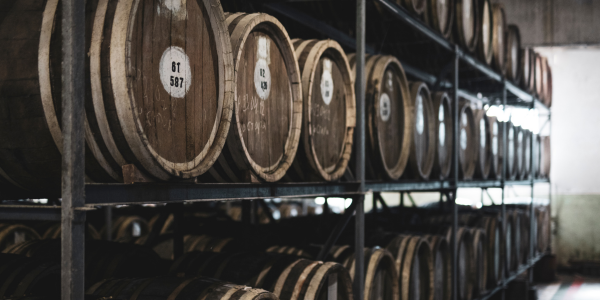
Excise duties in the UK are taxes levied on importing or manufacturing specific goods. When these goods are imported from outside the UK, excise duty is charged in addition to import duty and VAT. These duties are applied to items such as alcohol, tobacco, and fuel, among others. The UK excise duty system encompasses several categories, including regulations and rates.
In the UK, goods subject to excise duty can fall under the following three categories:
- Alcohol products, such as beers, wines and spirits, including imported composite goods containing alcohol
- Tobacco products, including cigarettes, cigars, loose tobacco and tobacco for heating
- Energy products, including hydrocarbon oils and biofuels
Alcohol Duties: Alcohol duties are charged in the UK on beer, wine, spirits, and other alcoholic beverages. The rates vary based on the type and strength of the alcohol. For example, beer duty is calculated based on the hectoliters of beer and its alcohol by volume (ABV), with different rates for small breweries to encourage local production. Wine and cider duties are similarly tiered, with distinctions made for sparkling wines and higher-strength ciders. Spirits attract the highest duties, reflecting their higher alcohol content.
Tobacco Duties: Tobacco products are subject to high excise duties, which aim to reduce smoking rates and address public health concerns. These duties apply to cigarettes, cigars, hand-rolling tobacco, and other tobacco products. The duty on cigarettes is a combination of a specific amount per 1,000 cigarettes and a percentage of the retail price. Hand-rolling tobacco is taxed at a specific rate per kilogram, and similar structures apply to other tobacco products.
Fuel Duties: Fuel duties are imposed on various types of fuels used for vehicles and heating. The main categories include petrol, diesel, and biofuels. The duty rates for these fuels are typically charged per litre and designed to reflect environmental considerations, encouraging the use of cleaner fuels and reducing carbon emissions. Additionally, rebates and reductions are available for specific uses, such as in agriculture or for heating in remote areas.
Overall, the structure of excise duties in the UK is complex and designed to achieve multiple policy objectives, including public health improvement, environmental protection, and revenue generation for the government. Each excise duty category has specific regulations and rates, reflecting the taxed goods' particular characteristics and societal impacts.
Businesses must use EMCS to move Excise goods in the UK. EMCS is a system that accounts only for the movement of duty-suspended excise goods in free circulation. These goods, for example, have had the import duty paid or are manufactured within the UK and must be stored within an excise warehouse until the excise duty has been settled.
If you are interested in exploring this topic further, you might find it worthwhile to consider the training courses and live clinics offered by Strong & Herd LLP:
OneCall™ Email assistance as and when required; A one-call solution for all your import, export and customs enquiries. Export help. Import help. Customs help.
Stay informed about customs and international trade matters by subscribing to our OneCall™ service. This comprehensive offering includes a dedicated email helpline for support, timely practical updates direct to your inbox (Did You Know?), monthly UK Customs & Trade Briefings and access to an interactive members' area with an exclusive community for our subscribers.
International Trade Updates & Spotlight Newsletter
Subscribe to our free information emails covering international trade topics...
MORE INDUSTRY INSIGHTS...