BY:
SHARE:
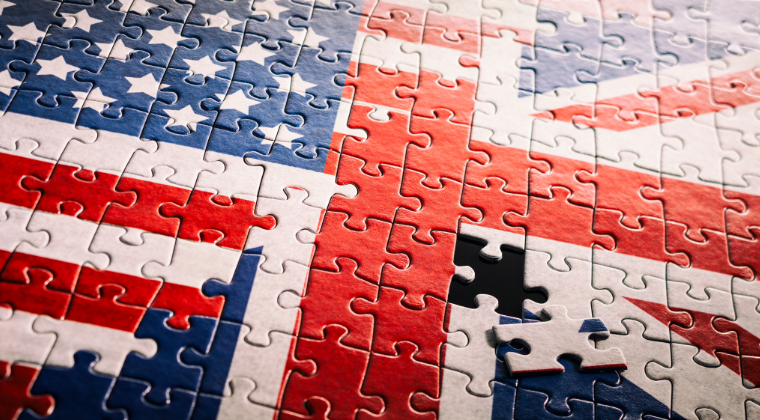
On the 2nd of June 2026, the USTR (Office of the United States Trade Representative) updated its Section 301 investigation into the tariffs under the Trade Act of 1974 regarding forced labour.
The latest update addresses the current status of the investigation into “the failure of various economies to impose and effectively enforce a prohibition on the importation of goods produced with forced labor” as follows:
USTR Report Sec 301 FL 301 6-2-26 FINAL for upload.pdf
There will now be a public hearing on the 7th of July 2026, at the U.S. International Trade Commission.
For parties to be considered, there is a request date to appear at the hearing, and it must be applied for by the 22nd of June 2026.
Comments are being welcomed and should be submitted by the 6th of July 2026 via the US TR comments portal.
Following the outcome of this hearing, there could be a 10% or a 12.5 % increase in duty for articles imported into the United States from 60 countries, depending on the specific outcome of the recommendation and the hearing in question.
What are Section 301 Tariffs?
Section 301 tariffs are designed to address unfair foreign acts, policies, or practices that affect the United States. They can be used to respond to “unjustifiable, unreasonable, discriminatory foreign government acts, policies, or practices that burden or restrict U.S. commerce “
Prior to this update on March 12th, 2026, the USTR initiated an investigation into 60 economies for failing to ensure a prohibition on the importation of goods produced with forced labour.
54 of the 60 economies failed to impose and effectively enforce a prohibition on the importation of goods produced with forced labour:
- Algeria; Angola; Argentina; Australia; the Bahamas; Bahrain; Bangladesh; Brazil; Cambodia; Chile; China, People’s Republic of; Colombia; Costa Rica; Dominican Republic; Egypt; El Salvador; Guatemala; Guyana; Honduras; Hong Kong, China; India; Iraq; Israel; Japan; Jordan; Kazakhstan; Kuwait; Libya; Malaysia; Morocco; New Zealand; Nicaragua; Nigeria; Norway; Oman; Peru; the Philippines; Qatar; Russia; Saudi Arabia; Singapore; South Africa; South Korea; Sri Lanka; Switzerland; Taiwan; Thailand; Trinidad and Tobago; Türkiye; United Arab Emirates; United Kingdom; Uruguay; Venezuela; and Vietnam.
Six economies failed to enforce a prohibition on the importation of goods produced with forced labour:
- Canada, Ecuador, the European Union, Indonesia, Mexico, and Pakistan.
What about the United Kingdom within the Investigation?
The USTR investigation into the United Kingdom found that the UK had failed to impose and enforce a prohibition on forced labour. Because of this failure, the USTR determined that there was an unreasonable burden and restriction on United States commerce.
It was, however, shown that the UK has enacted measures to exclude certain imports produced through forced labour under the Modern Slavery Act 2015 and to exclude forced labour imports under the Procurement Act 2023. There is also the consideration of energy and energy goods within the Great British Energy Act of 2015.
The USTR determines that UK laws do not impose a prohibition on the importation of goods produced with forced labour; they state that these laws only partially exclude forced labour imports. Alongside this, the terms of the US-UK Economic Prosperity Deal with the United Kingdom confirm a high-standard commitment to addressing any forced-labour supply chains.
Does this mean that duty rates will be changing?
This all depends on the outcome of the hearing and any subsequent hearings or changes, which will ultimately determine whether the additional duty rates under section 301 will be applied.
The federal register notice recommends that the United Kingdom be subject to the 10% additional duties, which would be in addition to any current duties payable.
There is also a proposed mechanism that would allow a certain volume or apparel of textile imports from certain countries at a reduced Section 301 Tariff rate.
Are all goods covered under Section 301?
There are some exemptions to the Section 301 tariffs. For example, food products, chemicals, wood products, aircraft parts, or those parts specifically designed for an aircraft. There are also some metals, including precious metals, as well as electrical products such as laptops.
A full list of those excluded products can be found within ANNEX A - FRN - Section 301 Forced Labor Import Ban Actionability and Proposed Action 6-2-26 FINAL.pdf
OneCall™ Email assistance as and when required; A one-call solution for all your import, export and customs enquiries. Export help. Import help. Customs help.
Stay informed about customs and international trade matters by subscribing to our OneCall™ service. This comprehensive offering includes a dedicated email helpline for support, timely practical updates direct to your inbox (Did You Know?), monthly UK Customs & Trade Briefings and access to an interactive members' area with an exclusive community for our subscribers.
International Trade Updates & Spotlight Newsletter
Subscribe to our free information emails covering international trade topics...
MORE INDUSTRY INSIGHTS...